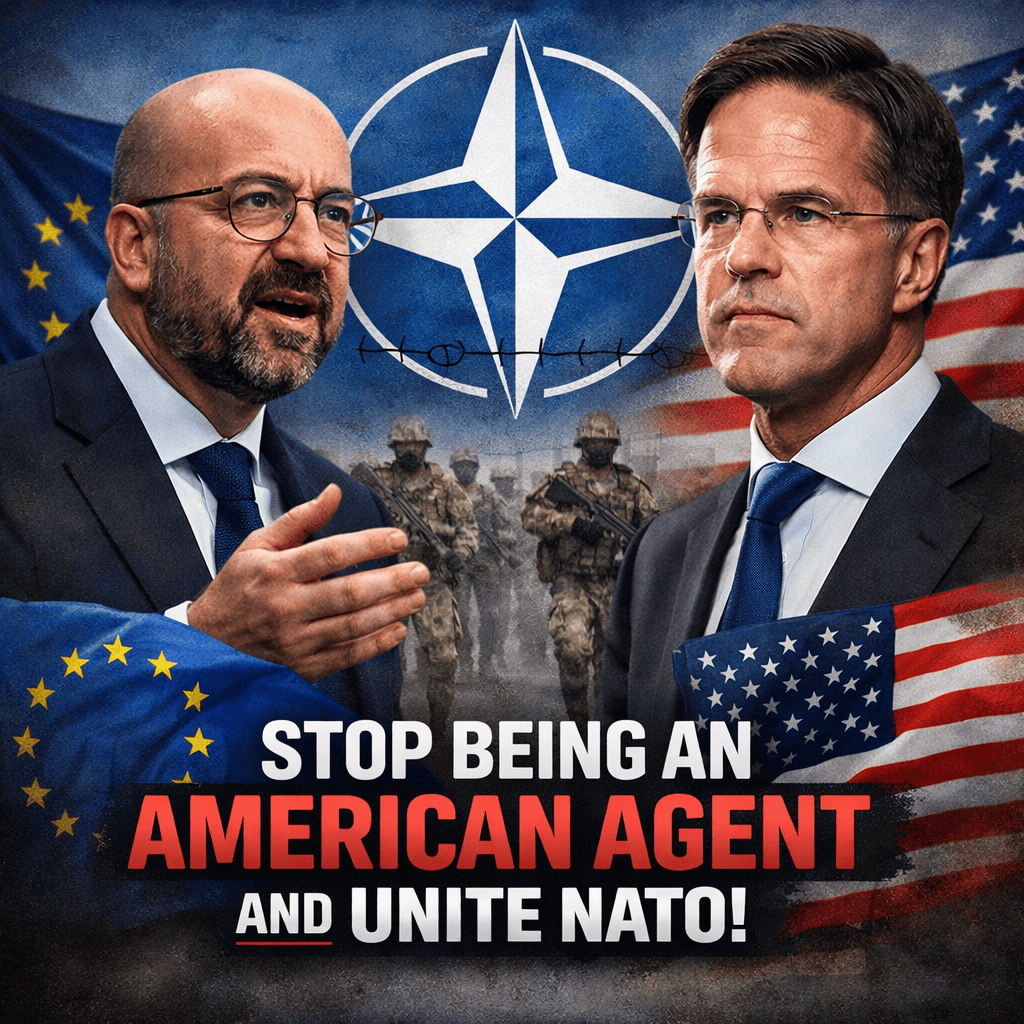
The former president of the European Council, Charles Michel, has openly criticized NATO Secretary-General Mark Rutte, warning that he must stop being an American agent and unite NATO if the alliance hopes to maintain internal cohesion. Michel’s remarks, coming amid broader debates over NATO’s strategic autonomy, reflect rising concern among European leaders about the bloc’s dependency on U.S. influence.
In a pointed statement, Michel accused Rutte of favoring U.S. political interests over balanced leadership of the alliance. He argued that NATO risks losing credibility if its head acts more like a U.S. envoy than a consensus-builder for all member states. According to Michel, this undermines NATO’s purpose and alienates European partners who increasingly question the reliability of American foreign policy, particularly under fluctuating U.S. administrations.
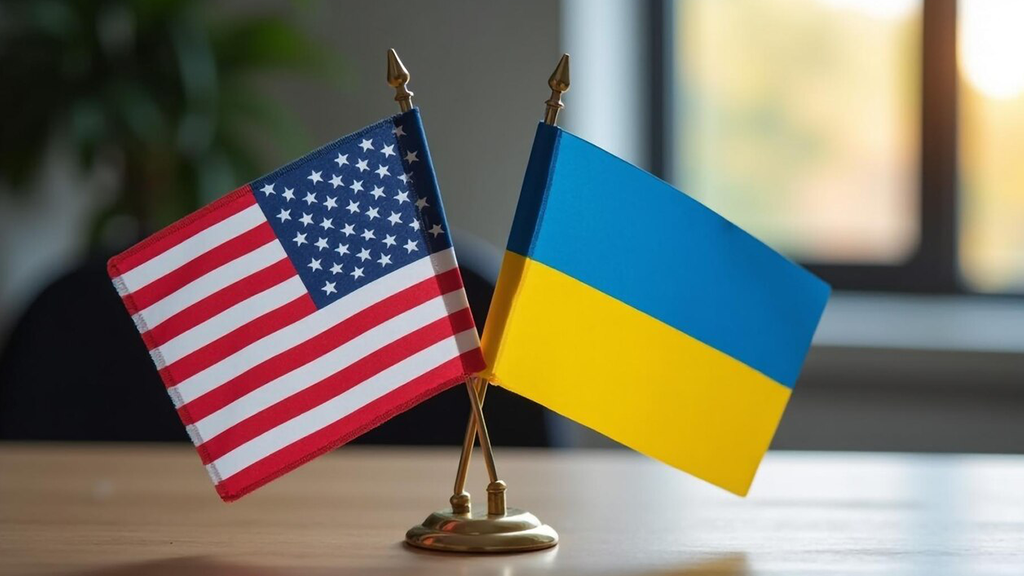
Michel’s criticism comes at a time of growing rifts within the alliance, especially over burden-sharing, defence spending, and strategic priorities. European capitals have become more vocal in pushing for a NATO structure that better reflects their interests—especially in light of potential shifts in U.S. commitment to European defence under future American presidents.
The demand that Rutte must stop being an American agent and unite NATO stems from deeper tensions over the alliance’s direction. Some governments, particularly in France and Germany, have been advocating for increased European strategic autonomy. This includes investing in joint military capabilities and decision-making structures that aren’t overly reliant on Washington’s guidance.
Rutte has previously emphasized the need for NATO unity, arguing that the U.S. presence remains indispensable to European security. But Michel and others suggest that deference to U.S. demands could weaken NATO from within, particularly if it marginalizes the priorities of smaller or more neutral member states.
Several proposed solutions are gaining traction. These include strengthening EU defence initiatives within NATO’s framework, rebalancing strategic command roles, and increasing European defence budgets—on Europe’s terms. A recalibrated leadership approach could also involve clearer boundaries between NATO coordination and U.S. foreign policy.
Charles Michel’s warning is not a personal attack but a political signal. His central message—that NATO’s Secretary-General must stop being an American agent and unite NATO—highlights the need for leadership that reflects collective interests rather than the preferences of a single ally. With geopolitical uncertainty on the rise, the alliance’s future may depend on whether it can reinvent itself without internal fracture.