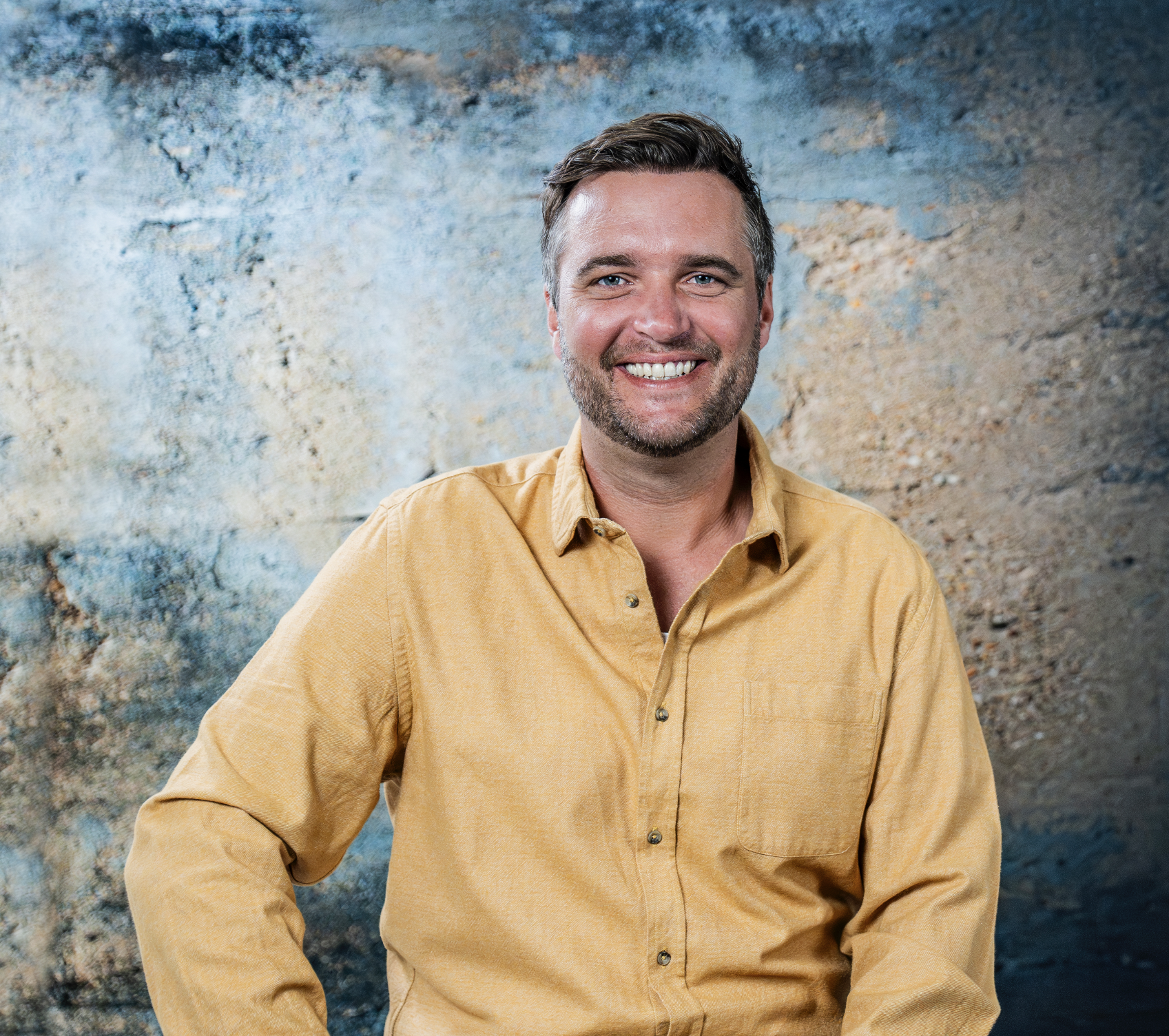
In the ever-evolving landscape of technology, where innovation is often mistaken for chaos and agility is confused with instability, Christopher Bartl, CEO of Mendelio, offers a rare kind of clarity. His leadership is not built on slogans or borrowed frameworks—it’s forged from experience, conviction, and a relentless commitment to building systems that last. Mendelio, under his stewardship, is not just a tech company—it’s a living blueprint of what modern leadership can look like when trust, autonomy, and purpose are placed at the center. Specializing in automation and AI-driven solutions.Mendelio develops intelligent systems via automation, AI-first platforms, and process digitization across industries like commerce, health, and operations.
Bartl’s journey began at the age of 22, when he launched his first IT company—fully remote from day one. This was long before remote work became a pandemic necessity or a trendy perk. For Bartl, it was a philosophical stance. “Working remotely taught me early on that trust is everything,” he reflects. That insight became the cornerstone of his leadership style, shaping not only how he managed teams but how he envisioned the future of work itself. In a world where many still equated physical presence with productivity, Bartl was already building a culture where freedom and accountability coexisted.
But freedom, he insists, is not synonymous with disorder. “You still need proper estimates, deadlines, and delivery,” he explains. “It’s not just about keeping clients happy—it’s how you maintain trust within the team.” This balance between autonomy and structure is what makes Mendelio tick.It’s a company where people are given space to lead, but also held to high standards. And that’s no accident—it’s the result of years of refining a leadership model that prioritizes ownership over oversight.
At Mendelio, traditional departments are replaced by internal ‘brands’—independent product units that operate like startups within the company, each with its own leadership, tech stack, and focus.
These brands function like startups within the company, with their own leadership, technology focus, and product mission. This setup enables deep specialization and rapid innovation. One brand, for instance, is dedicated entirely to product development, especially in low-code/no-code platforms and AI-driven automation. It’s a strategic structure that keeps Mendelio agile, responsive to market shifts, and able to deliver meaningful value without the drag of bureaucracy.
Bartl’s approach to innovation is refreshingly pragmatic. He’s not interested in chasing hype or implementing flashy tools for the sake of appearances. “We integrate the right AI tools that match the client’s business logic,” he says. “Not just what’s trendy—but what actually fits.” A prime example is Mendelio’s in-house AI platform, Emata.ai a modular SaaS solution that eliminates manual tasks by intelligently matching backend AI tools to specific business logic. Emata empowers clients to automate processes across finance, logistics, operations, and compliance all through a no-code, user-friendly interface. With fast, ready-to-go integration and full flexibility, it reflects Mendelio’s core belief: that AI should be practical, not performative.
To explore how Mendelio brings AI to life across industries, visit emata.ai.
With a user-friendly interface and fast, ready-to-go integration, emata.ai helps clients streamline operations without the complexity often associated with enterprise AI. This mindset has helped Mendelio stay ahead of the curve, especially in a tech landscape increasingly saturated with buzzwords and half-baked solutions. By focusing on real-world problems and practical applications, the company has carved out a niche that’s both forward-thinking and grounded.
But innovation alone isn’t enough. For Bartl, the real magic happens when innovation is paired with culture—specifically, a culture of collaboration and creativity. “Collaboration and creativity come naturally when people are trusted and feel ownership,” he explains. That’s why Mendelio avoids micromanagement and fosters an environment that’s open, non-political, and ego-free. Teams are encouraged to test new ideas, move fast, and build solutions that make sense. It’s a place where creativity isn’t stifled by red tape, and collaboration doesn’t require permission slips.
This culture isn’t just good for morale—it’s essential for sustainability. And while Bartl is quick to admit that Mendelio isn’t an “eco-startup with a green label,” his definition of sustainability goes far beyond carbon footprints. “Sustainability is about building something that lasts,” he says. That means creating a work culture that avoids burnout, supports autonomy, and scales gracefully. The company’s remote-first model also contributes to environmental sustainability by reducing commuting and unnecessary overhead. As Mendelio grows, Bartl remains committed to improving sustainability in ways that are meaningful and value-driven—not just performative.
Staying connected with a distributed team is no small feat, but Mendelio’s brand-based structure makes it possible. Each brand has its own lead, and HR plays a uniquely vital role—not just as a traditional human resources function, but also as a long-standing Feelgood Manager. This dual role is central to the company’s culture, with regular check-ins focused on happiness, team dynamics, and personal development. It’s not just about performance reviews—it’s about creating emotional stability and a sense of belonging, especially during challenging economic times. At Mendelio, this role is seen as indispensable: it keeps people motivated, fosters trust, and strengthens the connective tissue of the organization. Feedback flows in both directions, and issues are addressed early, ensuring that leadership is a shared responsibility—not a top-down directive.
Bartl’s contribution to Mendelio’s mission goes beyond strategy and structure. He sees the company as a reflection of his beliefs about modern IT and leadership. “I build the vision, but I don’t do it alone,” he says. His role is to create space—for others to lead, grow, and make their own impact. If Mendelio remains fast, focused, and fair, then Bartl considers his job well done.
His skill set is uniquely aligned with Mendelio’s goals. Though not a tech person by background, Bartl has developed a deep understanding of IT through years of hands-on experience. This outsider perspective has become one of his greatest strengths—allowing him to challenge unnecessary complexity and push for solutions that are both elegant and effective. He knows how to structure teams, manage complexity, and align technology with business objectives. “I’m 100% solution-driven,” he says. “I don’t get lost in obstacles—I focus on how to move forward.” That clarity and decisiveness have helped him build bridges between developers, clients, and product vision—turning abstract ideas into actionable solutions.
Adaptability is another hallmark of Bartl’s leadership. He doesn’t rely on rigid strategies or long-term roadmaps. Instead, he stays curious, explores early, and validates fast. “Being adaptable isn’t something I try to force—it’s just how I operate,” he explains. This mindset has allowed Mendelio to stay ahead of industry trends, especially in areas like automation, AI, and low-code development. Insights come not from glossy reports but from real-world client needs and internal feedback. Each brand within Mendelio stays laser-focused on its own technology and market, ensuring that the company remains relevant across multiple verticals.
Bartl’s motivation is deeply personal. He’s not driven by titles or formal success. What fuels him is the opportunity to build something real—something that works, grows, and gives people freedom. “I push forward because I believe in that way of working,” he says. Mendelio embodies that philosophy. It’s not a corporate machine—it’s a living, breathing ecosystem where ideas flourish, teams thrive, and clients receive genuine value.
Looking ahead, Bartl envisions growth not as a climb up the corporate ladder, but as a deepening of Mendelio’s impact. He wants to strengthen core brands, expand into new verticals, and push the company’s AI-first approach even further. Mendelio already uses AI to automate tasks, simplify processes, and deliver tailored solutions. But Bartl believes the journey is just beginning. His goal is to ensure that each brand uses AI in a way that truly fits the client’s business logic—not just as a gimmick, but as a transformative tool. If Mendelio can become more stable, independent, and AI-driven without losing its human touch, Bartl will consider that true growth.
What makes Bartl’s leadership especially compelling is how it resonates with broader trends in global management theory. His decentralized brand structure at Mendelio closely mirrors the transnational model proposed by Christopher A. Bartlett and Sumantra Ghoshal, which emphasizes balancing global efficiency with local responsiveness. In their seminal work, Managing Across Borders, Bartlett and Ghoshal argued that companies must move beyond rigid hierarchies and embrace flexible, networked organizations that empower local units to innovate. While Bartl wasn’t drawing from their framework directly, the parallels are striking—his approach emerged from real-world experience rather than academic theory. Mendelio’s internal brands—each with its own leadership and mission—embody this principle, allowing the company to remain agile while maintaining strategic coherence.
This approach also aligns with the concept of the “individualized corporation,” another Bartlett-Ghoshal framework that champions autonomy, accountability, and purpose-driven work. Bartl’s emphasis on trust, ownership, and non-political collaboration reflects this ethos. At Mendelio, employees aren’t just executing tasks—they’re shaping outcomes. They’re not cogs in a machine—they’re architects of value. And that shift—from control to empowerment—is what enables true creativity to flourish.
In many ways, Bartl’s leadership style is a quiet rebellion against the traditional corporate playbook. He doesn’t rely on rigid KPIs or top-down mandates. Instead, he fosters a culture where curiosity is rewarded, experimentation is encouraged, and feedback is a two-way street. This isn’t just good for morale—it’s a strategic advantage. Studies from Harvard Business School have shown that organizations with high psychological safety and decentralized decision-making outperform their peers in innovation and adaptability. Mendelio’s success is living proof.
Bartl’s personal evolution also adds depth to his leadership narrative. His candid reflection on neglecting physical health in the early years of entrepreneurship is a powerful reminder that sustainable leadership begins with self-care. By returning to tennis and football—not just as hobbies, but as sources of joy and balance—he’s modeled a more holistic approach to success. This isn’t just about wellness; it’s about longevity. Leaders who prioritize mental and physical health are better equipped to navigate complexity, inspire teams, and make sound decisions under pressure.
That human dimension is what sets Bartl apart. He’s not just building software—he’s building systems that support people. He’s not just scaling a company—he’s scaling a philosophy. Mendelio’s remote-first model, brand-based structure, and AI-first strategy are all expressions of a deeper belief: that work should be meaningful, flexible, and sustainable. That belief isn’t just aspirational—it’s operational. It informs hiring practices, team dynamics, product development, and client relationships.
And it’s working. Mendelio continues to grow, not by chasing every trend, but by staying true to its core values. The company’s ability to integrate AI in ways that are practical, not performative, gives it a competitive edge. Its commitment to autonomy and trust attracts top talent. Its decentralized structure enables rapid adaptation. And its culture—open, collaborative, and ego-free—creates the conditions for innovation to thrive.
As the tech industry grapples with burnout, fragmentation, and ethical dilemmas around AI, Mendelio offers a different path. It’s not just a company—it’s a case study in what’s possible when leadership is rooted in trust, structure, and purpose. Christopher Bartl isn’t trying to be the loudest voice in the room. He’s building something that lasts. And in a world obsessed with speed, that might be the most radical thing of all.
And yet, for all his focus on business, Bartl is candid about the lessons he’s learned outside the boardroom. When asked if he’d do everything the same again, he pauses. “No,” he admits. “When I started my first company at 22, I completely stopped all sport.” For years, he poured everything into work, neglecting his health and well-being. But about five years ago, he returned to tennis and got involved in football again—not as a player, but as a co-coach for a hobby team. That shift brought balance and reminded him of the importance of joy. “Having hobbies, taking care of yourself, and doing something purely for pleasure isn’t a distraction from business,” he says. “It actually gives you the clarity, desire, and mental energy to do your best work.”
This personal insight aligns with a growing body of leadership research. According to McKinsey, the most effective CEOs are those who cultivate resilience, curiosity, and a sense of purpose—not just in their teams, but in themselves. Bartl’s story echoes this wisdom. His leadership is not just about systems and strategies—it’s about people, energy, and the long game.
In many ways, Bartl’s approach mirrors the transnational strategy outlined by Bartlett and Ghoshal—a model that balances global efficiency with local responsiveness. Mendelio, with its decentralized brand structure and adaptive culture, exemplifies this balance. It’s a company that moves fast but thinks deeply, that innovates boldly but builds sustainably.
So what makes Christopher Bartl different? It’s not just his early embrace of remote work, his brand-based organizational model, or his pragmatic use of AI. It’s his unwavering belief that leadership is about creating space—for ideas, for people, and for growth. Mendelio isn’t just a company—it’s a reflection of that belief. And Bartl isn’t just a CEO—he’s an architect of freedom.
“Freedom doesn’t mean chaos. You still need structure. That’s how you build trust—not just with clients, but within the team. "

© THE CEO PUBLICATION 2021 | All rights reserved. Terms and condition | Privacy and Policy